In this article
Anime recap channels look like free money. Clip the show, narrate over it, upload. Except Japanese publishers have gotten aggressive with copyright strikes, and clip-heavy channels get claimed, demonetized, or removed before they hit 1,000 subscribers. This niche isn’t dead. It’s just not the format everyone assumes.
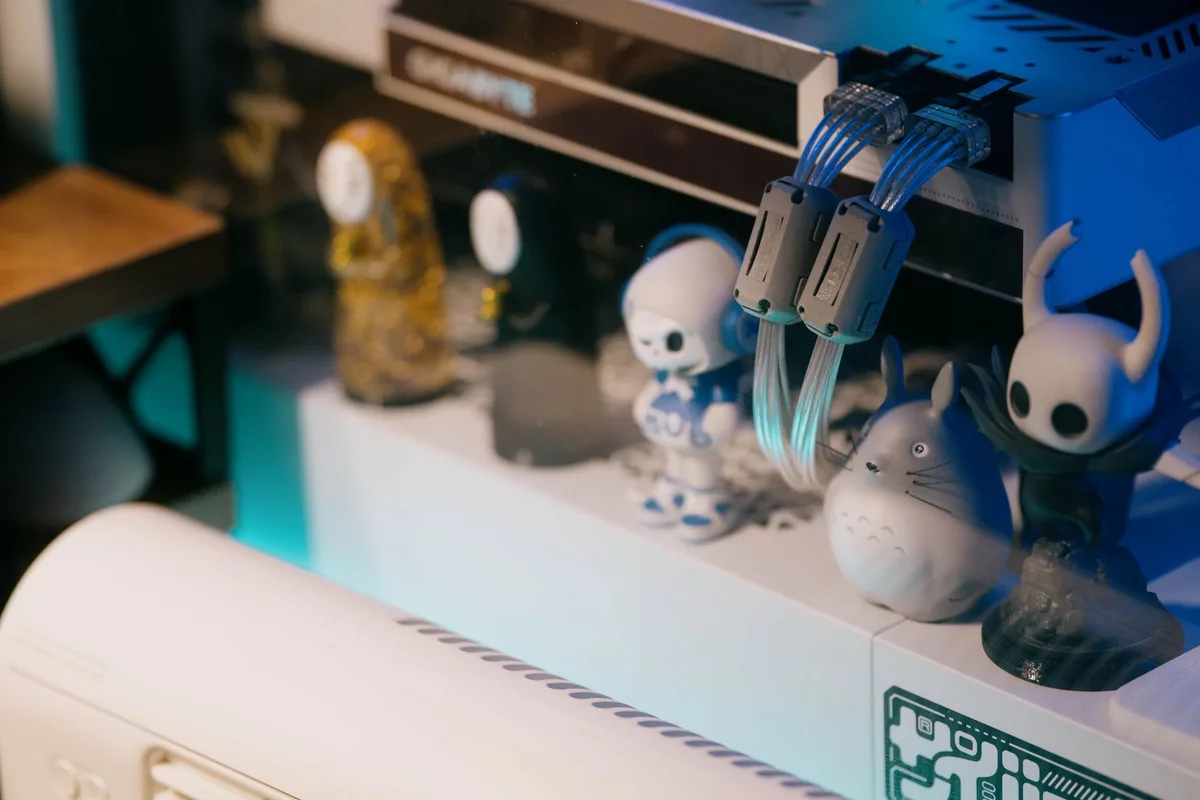
Anime has one of the most engaged, highest-spending fan audiences on YouTube. Merchandise, streaming subscriptions, conventions, manga sales — the money in this fandom is real. The mistake most new creators make is assuming the way in is clipping episodes and narrating over them. That’s the format with the most competition, the thinnest margins, and the highest legal exposure in the entire faceless content world.
The channels actually making money in this niche skip the source footage entirely. They cover the industry, break down the lore using original visuals, review the manga instead of the anime, unbox the merchandise, or build ambient lo-fi channels using an anime aesthetic without touching a single frame of licensed animation. None of that requires clipping a show that a Japanese publisher owns. All of it is durable — a channel Content ID can’t wipe out overnight.
This guide covers what to actually post, what it can earn, the tools each format needs, and why the “easy” recap format is the one most likely to end your channel before it starts.
Why Anime Recap Channels Get Struck Down
Anime recap channels — clip, narrate, upload — face high copyright risk because Japanese publishers like Toei Animation, Crunchyroll’s licensing partners, and Sony’s anime labels actively use YouTube’s Content ID system to claim, demonetize, or block videos containing their footage.
YouTube’s Content ID system scans every uploaded video against a database of copyrighted audio and video submitted by rights holders. When a match is found, the rights holder can block the video, run ads on it and keep the revenue, or track it — and increasingly, anime publishers choose to block or claim rather than allow the upload to stand. A commentary track over the footage doesn’t reliably protect a channel. Fair use and commentary exemptions are a legal defense you can raise after a claim, not a guarantee that stops the claim from happening, and fighting a claim takes time most creators don’t have.
The practical result: recap and reaction channels built entirely on clipped footage carry a standing risk of losing monetization, losing the video, or losing the channel after a strikes threshold — at any point in the channel’s life, including after it has built an audience. That’s a fragile foundation for something you’re trying to grow for a year or more.
None of this means the anime niche is closed. It means the actual opportunity is in formats that never touch the source footage in the first place.
What to Post: Content Formats That Work
Anime news and industry analysis:
- “What [Studio]’s new announcement means for the Fall 2026 lineup”
- “Why this series got delayed — the production story”
- “Every anime confirmed for [streaming platform] this season”
This format runs on narration over your own slides, text graphics, and B-roll you have rights to — not clips from the shows themselves. Anime News Network and official studio and platform announcements are the standard research base. The audience wants to know what’s coming and why, and that story can be told entirely without showing a frame of the anime in question.
Lore and theory breakdowns:
- “The timeline explained — what actually happened between arcs”
- “Every foreshadowed detail you missed in [series]”
- “How the manga’s ending changes everything about the anime”
These videos work with narration over original or AI-generated illustrations in an anime-inspired style, animated text, and maps or diagrams you build yourself. The value is the analysis, not a screen recording of the show. Channels that build a recognizable original visual style for their theory content differentiate faster than channels reusing the same clipped frames every other theory channel already used.
Manga and light novel reviews:
- “Is this manga worth starting in 2026?”
- “Manga vs. anime — what the adaptation cut”
- “Best underrated manga no one’s covering”
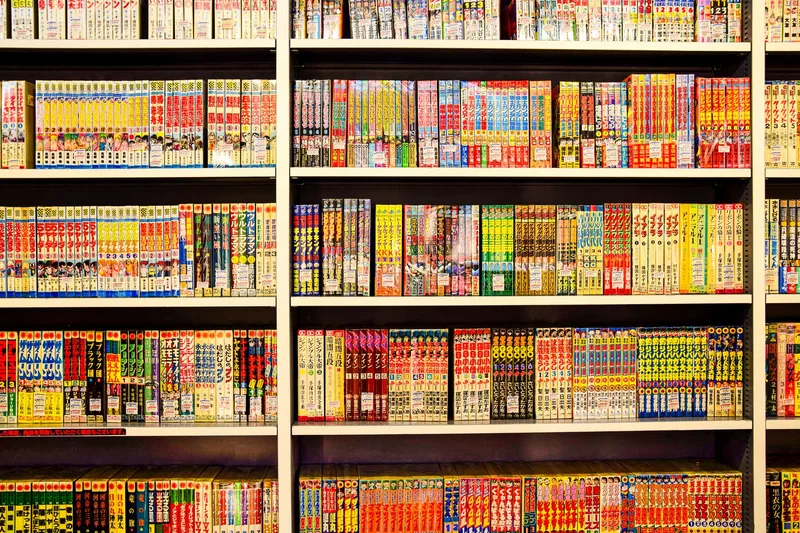
Reviewing the printed material sidesteps video copyright risk almost entirely. A book cover shown briefly for identification under limited commentary use is a different risk category than reproducing animated footage, and many reviewers avoid even that by narrating over their own bookshelf or desk footage instead of displaying pages.
Merch and collectibles content:
- “Unboxing this quarter’s biggest anime figure release”
- “Ranking the best anime merch drops of 2026”
- “Is this limited figure worth the price?”
Physical products you own and film yourself carry essentially zero copyright exposure. This format also converts well to affiliate revenue since the audience is already in a buying mindset — they’re watching to decide whether to purchase.
Anime-aesthetic lo-fi and ambient channels: A looping original or AI-generated anime-style visual — a café scene, a rainy window, a study room — paired with properly licensed royalty-free or original music, run for one to eight hours. This is an established faceless music sub-format; see the faceless music channel guide for the full production breakdown. The rule that keeps this format safe: the music must be original or licensed for commercial use, and the visuals must be original or AI-generated in the aesthetic — not lifted frames from a licensed show.
Convention and industry event coverage: Filming your own footage at anime conventions — booth walkthroughs, merch hauls, cosplay culture, industry panel summaries — produces content with no licensing question at all, because you own every frame.
How Much Can You Make?
RPMs in the anime content space vary widely by format, since “anime content” spans news, commentary, reviews, and ambient channels with very different advertiser demand. Based on publicly-reported creator data across comparable entertainment and hobby niches, here’s the general range:
| Monthly Views | Estimated RPM | Estimated Monthly Revenue |
|---|---|---|
| 10,000 | $2–$6 | $20–$60 |
| 50,000 | $3–$8 | $150–$400 |
| 100,000 | $4–$10 | $400–$1,000 |
| 500,000 | $5–$12 | $2,500–$6,000 |
These figures are based on publicly-reported creator data for entertainment and hobby-adjacent niches and are estimates, not guarantees — actual RPM depends heavily on audience geography, format, and advertiser demand at the time. Ambient lo-fi content sits at the lower end because long, low-engagement watch sessions attract fewer premium ad buys. News, review, and analysis formats with active viewer engagement generally sit higher.
AdSense is one layer of several:
- Affiliate links — Merch, figures, manga, and streaming service referral programs all run affiliate schemes. Amazon Associates covers manga and merch; streaming platforms occasionally run promotional affiliate campaigns during new-season launches.
- Sponsorships — Streaming services, manga publishers, and anime-adjacent product brands (energy drinks, apparel, gaming peripherals) sponsor channels with engaged, niche-specific audiences — often at follower counts well below what general entertainment channels require.
- Digital products — Lore explainer PDFs, watch-order guides, and curated manga recommendation lists are natural low-effort products for an anime-focused audience already asking “what should I read or watch next.”
- Merch and print-on-demand — Original fan-art-inspired designs (not reproductions of licensed characters) sold through print-on-demand give a channel a direct revenue line independent of ad rates.
Need to compare your shortlist before committing? Use the 75 Best Faceless Niches Spreadsheet to compare demand, competition, production difficulty, and monetization side by side.
Free. Instant download.
Tools You Need

None of the durable anime formats need expensive production infrastructure. The spend goes toward original visuals and clean narration, not video editing horsepower.
Original and AI-generated art: Midjourney and other AI image generators can produce anime-style original illustrations for theory and lore videos — the key constraint is generating original characters and scenes, not recreations of specific copyrighted characters, which carries its own IP risk. For creators who draw, a mid-range tablet in the $80–$250 range (based on current retail pricing) covers most starter setups.
Voiceover: Your own voice with a USB condenser microphone in the $50–$150 range (based on current retail pricing) works well for news and commentary formats where personality carries the video. ElevenLabs is a common choice for consistent narration across longer lore-breakdown scripts.
Editing: CapCut and DaVinci Resolve (both free at the entry tier) handle narration-over-visuals editing, text overlays, and the slide-style pacing anime news and theory content needs. Neither requires the multi-track complexity that screen-recording-based niches use.
Design and graphics: Canva covers the slide decks, timeline graphics, and text-overlay work that news and theory formats depend on. Its template library includes anime-aesthetic design assets that speed up the “own graphics” requirement these formats rely on to stay copyright-clean.
Research:
- Anime News Network for industry news, licensing announcements, and release calendars
- Official studio and streaming platform press pages for primary-source announcements
- Publisher and platform social accounts for real-time confirmation before publishing news content
Total startup cost: under $150 for the basics if you’re narrating your own commentary (USB mic, free editing tools, Canva’s free tier). AI art generation subscriptions run an additional $10–$30/month depending on volume.
The Competition Picture
General “anime YouTuber” content is saturated — reaction channels and clip-based commentary have existed since YouTube’s early years, and the recap format specifically has thinned out as publishers have gotten stricter about enforcement, leaving fewer established channels actually still operating in that lane.
The gap is in the formats that were never easy to fake. A clip-and-narrate video takes an afternoon. A well-researched news breakdown, an original lore illustration series, or a genuinely useful manga recommendation channel takes real work — which is exactly why fewer channels do it well.

Sub-niches with real room for new channels:
- Manga-only review channels — Far fewer channels cover manga specifically versus anime broadly, despite manga having its own dedicated, spending-heavy fanbase separate from anime-only viewers.
- Anime industry and business news — Coverage of licensing deals, studio production struggles, and streaming platform strategy is underserved compared to episode-by-episode commentary.
- Original-art lore channels — Most theory content still uses clipped screenshots. A channel that commits to fully original or AI-generated visuals stands out immediately and sidesteps the copyright question other theory channels are quietly carrying.
- Anime study and productivity lo-fi — A narrower angle than general lo-fi: anime-aesthetic ambient content positioned specifically for studying or working, which taps a search audience distinct from general music-discovery viewers.
- Convention and culture coverage — Local and regional convention coverage is thin outside a handful of major established creators, leaving smaller events largely uncovered.
New channels should start with one format, not “anime content” broadly. A channel that’s clearly a manga review channel, or clearly an industry news channel, builds a defined audience faster than one that mixes formats without a clear identity.
How to Start This Week
- Pick one format from the list above — not “anime channel” generally. The narrower the starting point, the faster the algorithm and the audience understand what the channel is
- Confirm your format doesn’t require reproducing licensed footage. If your content plan involves clipping episodes, redesign it before you publish a single video
- Build a list of 15–20 specific topics in your chosen format — actual news stories, specific manga titles, specific lore questions fans are already asking
- Set up your baseline tools: a microphone if you’re narrating, Canva or a slide tool if you’re doing graphics-based content, an AI art tool if you’re doing original illustration
- Script your first video before recording. Narration-driven formats lose viewers fast when pacing is loose or unscripted
- Publish with a title and thumbnail that names the specific show, studio, or topic — vague “anime news” titles underperform specific ones like a named series or studio
Expect the first 10–15 videos to establish your channel’s identity to both viewers and the algorithm. Search and recommendation traffic for evergreen formats like lore breakdowns and manga reviews typically build over months 3–6, based on commonly-reported creator timelines.
Common Mistakes in Faceless Anime
- Building the whole channel on clipped footage. This is the single biggest risk in the niche. A channel that depends on reproducing licensed anime footage is one enforcement wave away from losing its monetization or its entire video library.
- Reusing other creators’ fan art without permission. Original-visual formats only work if the visuals are actually original or properly licensed. Screenshotting fan art from social media and using it without permission just trades one copyright problem for another.
- Starting too broad. “Anime channel” tells the algorithm nothing. “Manga review channel” or “anime industry news” gives viewers and the algorithm a clear category from the first video.
- Publishing news without verifying the source. Anime news moves fast and misinformation spreads faster. Citing an unverified leak as confirmed fact damages credibility permanently in a fandom that fact-checks aggressively.
- Ignoring the manga-only audience. Channels that assume every anime fan also watches the anime miss a meaningful segment of manga-only readers who actively search for manga-specific content the anime-only channels don’t cover.
- Treating AI-generated art as a shortcut with no quality bar. Generic, low-effort AI illustrations are easy to spot and read as lazy. A channel that develops a consistent, deliberate visual style outperforms one that generates whatever the prompt returns first.
Faceless anime channel at a glance
| Dimension | Verdict |
|---|---|
| Niche | Faceless anime — industry news, lore/theory breakdowns, manga reviews, merch content, and anime-aesthetic lo-fi, all without reproducing licensed anime footage |
| Format risk | High for clip-based recap/reaction (Content ID enforcement); low for news, review, and original-art formats |
| Format | News/analysis (6–12 min), lore breakdowns (8–15 min), manga reviews (6–10 min), merch unboxing (5–10 min), lo-fi ambient (1–8 hr loops) |
| Production difficulty | Low to moderate. No filming required for most formats; the work is research, scripting, and original visuals |
| Repeatability | High. New anime seasons, manga chapters, and merch drops create a constant stream of fresh topics |
| First video angle | One specific, narrow topic in your chosen format — a single manga review, a single news story, a single lore question |
| Monetization path — AdSense | $2–$12 RPM depending on format, based on publicly-reported creator data for entertainment and hobby niches |
| Monetization path — Affiliate/merch | Manga, figure, and streaming referral links plus original-design print-on-demand for buying-intent audiences |
| Risk | Copyright strikes from clip-based formats; misinformation damage from unverified news; generic low-effort AI art undermining credibility |
| Recommended next step | Compare anime against music and mystery — different copyright exposure and production requirements |
Need to compare your shortlist before committing? Use the 75 Best Faceless Niches Spreadsheet to compare demand, competition, production difficulty, and monetization side by side.
Free. Instant download.
Keep Reading
- Top Faceless YouTube Niches — how anime stacks up against finance, horror, history, and 70+ other niches on CPM and competition
- Faceless Music Channel — the lo-fi and ambient format breakdown, including the anime-aesthetic sub-format
- Faceless Mystery Channel — another narrative-driven niche with its own source-material and copyright considerations
FAQ
Is a faceless anime channel a good niche in 2026? It depends entirely on format. Clip-based recap and reaction content carries high copyright risk from aggressive Content ID enforcement by Japanese publishers. News, lore analysis with original art, manga reviews, and merch content carry far lower risk and tap the same engaged, high-spending anime fanbase.
Can I make an anime YouTube channel without showing my face? Yes. News, theory, and review formats run entirely on narration over your own graphics, original illustrations, or physical products like manga and merch — none of it requires being on camera. Anime content is one of the more naturally faceless-friendly niches because so much of it is already narration-driven.
Will I get copyright-struck for reviewing anime? Discussing and reviewing anime is lower risk than reproducing its footage. Briefly showing a manga cover for identification under limited commentary use is a different risk category than clipping animated scenes. The safest formats avoid displaying licensed footage or artwork at all, relying on your own narration and original visuals instead.
What’s the easiest anime content format to start with no budget? Manga and light novel reviews require the lowest startup cost — a book, a microphone, and narration over your own desk or bookshelf footage. No AI art subscription, no illustration skill, and no licensing question, since you’re discussing printed material you own.
How is faceless anime content different from a general anime YouTuber? Most established anime YouTubers built their channels years ago around reaction and commentary formats that carried lower enforcement risk at the time. New channels entering in 2026 face a stricter copyright environment, which is exactly why formats that never touch licensed footage — news, original-art lore, manga reviews, merch — are the more durable starting point today.
What to Do Next
You have a frontrunner. Pressure-test it before you commit.
Compare this niche against 9 others
The Niche Map ranks 10 high-paying faceless niches and gives the audience, monetization path, and first video idea for each. Use it as a final shortlist check before you commit.
Free. No spam. Unsubscribe anytime.
Browse Channels Explorer
50 real faceless channels with format, niche, and production notes. Free, no signup.
Open Channels ExplorerComplete Launch Pack
Vol 1 FULL plus Channel Setup Kit plus First Video Command Center. One bundle, no upsell pressure.
$9 $19 53% off Lowered for first-time creators.