In this article
Beauty is YouTube’s most personality-driven category. It’s also one of the easiest niches to build without a personality. Skincare routines, product dupes, and makeup application don’t need a face on camera to teach anything. The hands, the product, and the result carry the whole video.
Why Beauty Works as a Faceless Niche
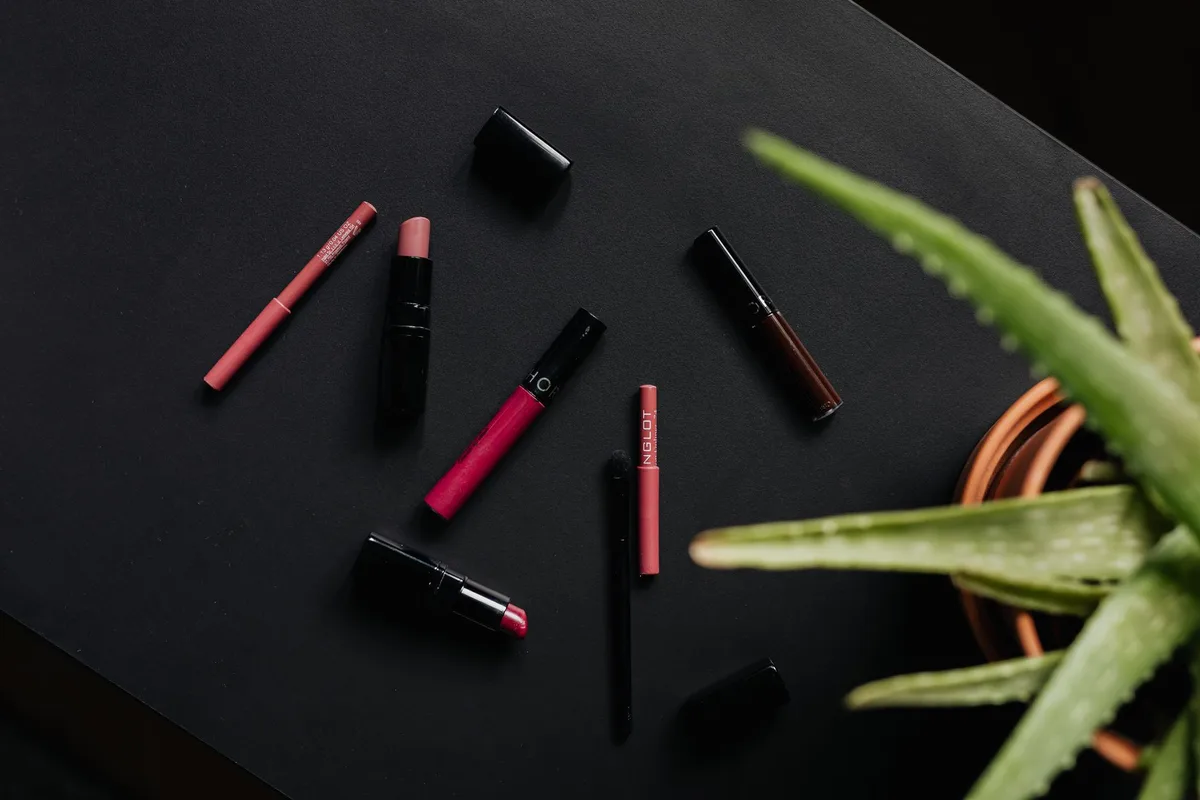
Beauty content works without a face because the visual language of the niche is already product-first: swatches, macro texture shots, and flatlay routines carry more information than a talking head ever could. The product is the proof. The face was never the point.
Beauty and skincare already runs on macro photography. Swatch videos, texture close-ups, and “what’s in my routine” flatlays are established formats that beauty audiences expect and search for directly, so a faceless channel isn’t missing anything by skipping the on-camera host.
The advertiser base is large and consistent. Cosmetics, skincare, and personal-care brands spend heavily on YouTube because purchase intent in this audience is high: someone watching a dupe comparison or a retinol explainer is actively deciding what to buy next. That buying intent is what keeps CPMs competitive against bigger entertainment niches.
Format diversity is the third advantage. Skincare science, makeup application, nail art, hair care, and men’s grooming are all searched separately, with different audiences and different production styles. A single faceless beauty channel can build topical authority across several of these without ever repeating the same video twice.
What to Post: Content Formats That Work
Faceless beauty content clusters into a handful of formats that already dominate the niche’s top search results:
Hands-only application tutorials:
- “5-step everyday makeup routine (hands only, no talking)”
- “How to apply foundation without streaking (macro demo)”
- “The correct order to layer skincare products”
Overhead or close-up shots of hands applying product, narrated by voiceover. The face never enters frame. The technique is the content.
Dupe and drugstore comparisons:
- “Is this $9 dupe as good as the $52 original? (side-by-side swatch test)”
- “5 drugstore products that outperform luxury (tested)”
- “K-beauty vs Western skincare: what’s actually different”
Macro swatch shots, text overlay pricing, and side-by-side product comparisons drive this format. It converts well to affiliate links because the viewer is already in a buying decision.
Ingredient and science explainers:
- “What retinol actually does to your skin, explained”
- “Niacinamide vs vitamin C: which one should you use first?”
- “Why ‘chemical-free’ skincare doesn’t mean what you think”
Animated ingredient breakdowns and text-overlay diagrams carry these videos. Skincare-science audiences are engaged and skew toward higher-value personal-care advertisers.
ASMR skincare and unboxing:
- “Skincare routine ASMR (tapping, pouring, no talking)”
- “Unboxing this month’s beauty box (whispered)”
- “Nighttime routine ASMR for sensitive skin”
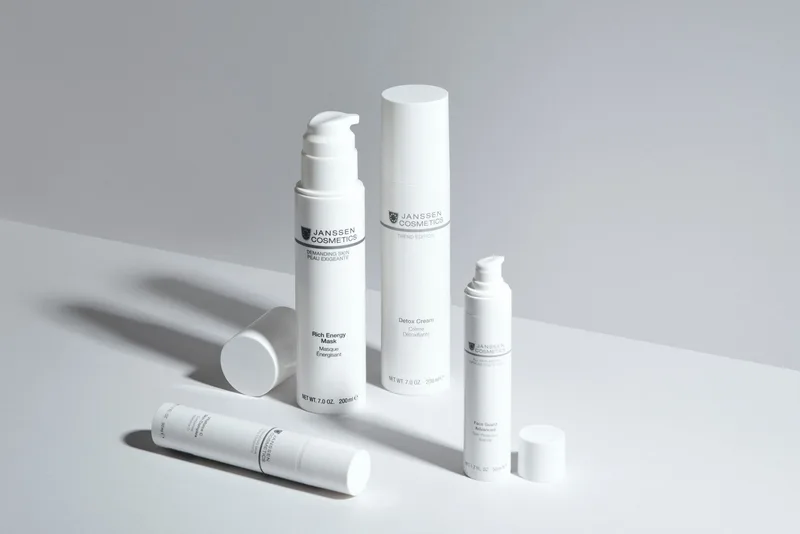
Close mic technique, product sounds, and slow hands-only pacing. This sub-format has a dedicated, loyal audience that rewatches videos for the sound design as much as the content.
Flatlay “what’s in my routine” videos:
- “My entire skincare shelf, ranked by what’s worth it”
- “Everything in my makeup bag right now”
- “Building a routine for oily skin (every product explained)”
Overhead flatlay shots with product callouts. Easy to produce, easy to update seasonally, and reliably searched.
Nail art and hand care:
- “Simple nail art anyone can do at home”
- “Cuticle care routine that actually works”
- “5 nail designs using only 3 polishes”
Nail content is faceless by default in almost every existing tutorial, since hands are the entire frame already. That makes this one of the lowest-friction entry points into the niche.
How Much Can You Make?
Beauty channels typically see RPMs in the $5 to $14 range, with skincare and anti-aging content pushing toward the higher end because those advertisers pay premium rates to reach an audience with clear purchase intent. General makeup application and drugstore-focused content tends to sit in the middle of the range.
| Monthly Views | Estimated RPM | Estimated Monthly Revenue |
|---|---|---|
| 10,000 | $5-$9 | $50-$90 |
| 50,000 | $6-$11 | $300-$550 |
| 100,000 | $7-$14 | $700-$1,400 |
| 500,000 | $8-$14 | $4,000-$7,000 |
These are ranges based on publicly reported creator data, and geography matters significantly: a channel with mostly US and UK viewers earns notably more per thousand views than one skewed toward lower-CPM regions.
AdSense is rarely the main earner in beauty:
- Affiliate links: Beauty is one of the strongest affiliate categories on the internet. Amazon Associates, LTK, ShopMy, and individual brand affiliate programs all pay commission on product links placed in descriptions and pinned comments. Dupe-comparison and “what’s in my routine” formats convert particularly well because the viewer is already deciding what to buy.
- Sponsorships: Skincare and cosmetics brands sponsor beauty channels at smaller subscriber counts than most niches, based on commonly reported creator experiences, because the audience-to-purchase path is short and easy to measure.
- Digital products: Routine templates, ingredient cheat sheets, and “build your skincare shelf” guides are a natural fit and require no ongoing fulfillment.
- PR product seeding: Many beauty channels receive free products for review consideration once they hit a modest subscriber count. This isn’t direct revenue, but it lowers production cost meaningfully.
Not sure which niche fits your situation? The 75 Best Faceless Niches Spreadsheet ranks 75+ niches by CPM, competition density, and production difficulty.
Free. Instant download.
Tools You Need
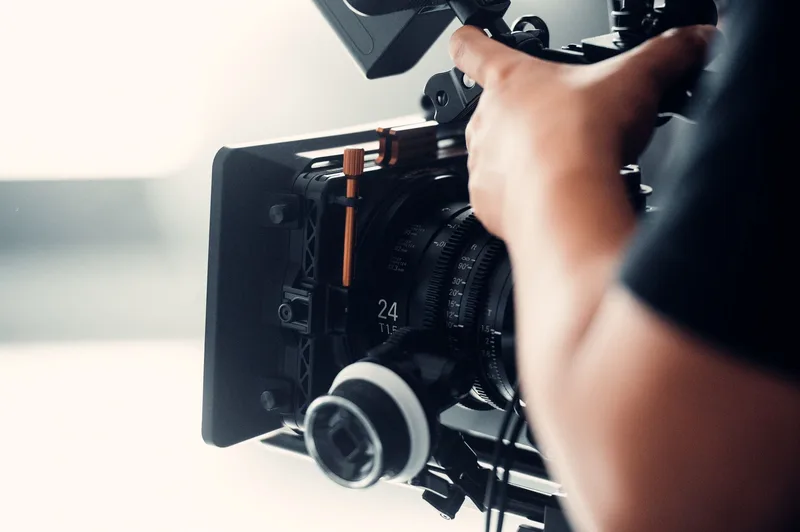
Beauty production has one requirement that most other faceless niches don’t: color accuracy. If your lighting shifts the color of a lipstick swatch or a foundation shade, viewers will call it out immediately.
Cameras and lenses:
- A phone with a dedicated macro mode, or a clip-on macro lens, handles most product close-ups and swatch shots without a dedicated camera body.
- A basic mirrorless camera with a 50mm or macro lens produces sharper texture detail for skincare application shots, if the budget allows.
Lighting:
- A ring light or a continuous LED softbox is non-negotiable for beauty. Color-accurate lighting (aim for a stated CRI above 90 on the fixture) keeps product shades true to what the viewer sees in-store.
- Natural window light works for flatlay shots but is inconsistent for filming on a schedule. Most channels move to LED lighting within the first 10 to 15 videos.
Overhead mounts:
- An articulating arm or an overhead phone/camera mount is essential for hands-only application shots and flatlay routines. This is the single most-used piece of equipment in faceless beauty production.
Voiceover:
- Beauty audiences respond to warm, conversational narration more than flat delivery, which makes a human voice with a USB condenser mic (roughly $50-$150) the better default over AI narration for tutorial and routine content.
- AI voice tools like ElevenLabs or Murf can work for ingredient-explainer and dupe-comparison formats where consistent, neutral tone matters more than warmth.
Editing:
- CapCut handles quick-turnaround dupe comparisons and flatlay videos with built-in templates suited to product-forward content.
- DaVinci Resolve (free) gives finer color grading control, which matters more in this niche than most because of the color-accuracy requirement above.
Research:
- INCI Decoder and similar ingredient-lookup tools help verify claims about what an ingredient actually does before scripting an explainer video.
- Brand ingredient lists and published clinical study summaries are more reliable sources than influencer commentary when building science-forward content.
Music:
- Epidemic Sound and Artlist both carry calm, ambient tracks suited to routine and ASMR-adjacent beauty content, and both licenses cover YouTube monetization.
Total startup cost sits under $150 for the essentials: a ring light, a macro lens attachment or phone macro mode, and free editing software. Lighting quality, not camera quality, is what separates amateur beauty content from professional-looking beauty content.
The Competition Picture
Beauty is dominated by personality-driven creators. Hyram Yarbro (Skincare by Hyram) built a large audience specifically around ingredient literacy and on-camera trust. Most of the largest beauty channels follow this same pattern: the audience follows the person, not just the topic.
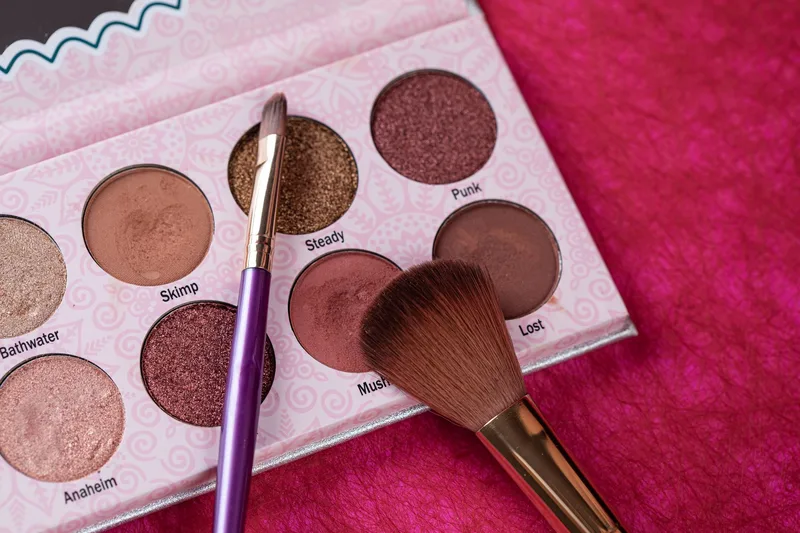
That personality-first dominance is the structural gap. Faceless, format-driven beauty content is still thin compared to how searched the topic is, which leaves real room in a few directions:
- Dupe and drugstore comparisons: Extremely high search intent, format-driven rather than personality-driven, and the comparison itself (not a host’s opinion) is what viewers come for.
- K-beauty and J-beauty ingredient deep-dives: Search demand for specific Korean and Japanese skincare ingredients and routines continues to grow, and much of the existing English-language content is thin or outdated.
- Men’s grooming: Meaningfully underserved relative to search volume. Most beauty content assumes a female audience, leaving skincare, grooming, and product content for men with far less competition.
- ASMR skincare routines: A dedicated, loyal sub-audience that specifically wants faceless, sound-forward content. Personality-driven channels rarely serve this format well because it requires giving up talking entirely.
- Problem-skin explainers: Acne, rosacea, and sensitive-skin content is high-search and benefits from a calm, format-driven approach over a personal narrative, since viewers are often self-conscious and want information, not a persona.
- Nail art and hand care: Already faceless by convention, with room for a channel that treats it as a full content pillar rather than an occasional video.
A new channel should pick one of these corners and build 20 to 30 videos of depth before expanding into adjacent beauty topics.
How to Start This Week
- Pick one sub-niche (dupe comparisons, K-beauty ingredients, men’s grooming, ASMR routines, or nail art), not “beauty” broadly
- Watch the top 10 to 15 videos in your sub-niche and note which formats get high views relative to the channel’s subscriber count, since that signals search demand rather than just recommendation traffic
- Build a list of 15 to 20 specific video topics using real search phrasing: “dupe for [specific product]” and “does niacinamide help with [specific concern]” outperform vague topic ideas
- Set up your macro shot before scripting anything: ring light, macro lens or phone macro mode, and an overhead mount. Test color accuracy on a swatch before filming your first real video
- Record your first voiceover at a measured, warm pace. Beauty narration rewards a conversational tone more than a hard sales tone
- Build a thumbnail with bold, specific text and a clean product shot. Specific phrasing like “Dupe Found,” “Under $10,” or a named ingredient performs better than vague intrigue in this niche
Expect meaningful search traffic to build around months 3 to 5 for evergreen dupe, explainer, and routine content, the same evergreen-over-trending timeline most faceless niches follow.
Common Mistakes in Faceless Beauty
- Showing your face by accident. Mirrors, reflective surfaces, and phone screens in a flatlay shot can reveal a face you didn’t intend to show. Check every frame before publishing if staying faceless matters to you.
- Making medical or dermatological claims. “This cures acne” or “this reverses aging” are the kinds of claims that draw regulatory attention and platform demonetization. Use qualifying language: “may help with,” “some users report,” “based on the ingredient’s published research.”
- Not disclosing affiliate links or free products. If a brand gave you a product or you’re earning commission on a link, the FTC’s disclosure guidance requires a clear, unmissable disclosure, not buried in a description or an About page.
- Inaccurate color from bad lighting. A lipstick that looks berry-red under warm bulb light but true-red on camera erodes trust fast in a niche where color accuracy is the whole point of a swatch video.
- Using copyrighted music. Ambient playlists from streaming services aren’t licensed for commercial video. Content ID will flag or demonetize the video. Use Epidemic Sound, Artlist, or YouTube’s own audio library.
- Starting too broad. “Beauty channel” doesn’t help the algorithm place your videos or help viewers know what to expect. “Drugstore dupe channel” or “K-beauty ingredient explainer” gives both a clear audience.
Faceless beauty channels at a glance
| Dimension | Verdict |
|---|---|
| Niche | Faceless beauty content: dupe comparisons, ingredient explainers, ASMR routines, and hands-only tutorials over macro shots and voiceover |
| Format | Application tutorials (5-12 min), dupe comparisons (6-10 min), ingredient explainers (8-12 min), ASMR routines (10-20 min) |
| Production difficulty | Medium. Color-accurate lighting is a real requirement most other faceless niches don’t have; everything else is standard macro/overhead filming |
| Repeatability | High. New product launches, dupe candidates, and ingredient trends give an ongoing supply of fresh, search-driven topics |
| First video angle | One specific dupe comparison or ingredient explainer with a named product or ingredient. Example: “Is this $9 dupe as good as the $52 original?” |
| Monetization path | $5-$14 AdSense RPM depending on sub-niche, with affiliate links (Amazon, LTK, brand programs) typically outearning ad revenue once a channel builds momentum |
| Risk | Personality-first competition; color-accuracy complaints; regulatory sensitivity around skincare and dermatological claims |
| Recommended next step | Compare beauty against fitness, a similar personal-care CPM tier with lower color-accuracy demands but different production requirements |
Not sure which niche fits your situation? The 75 Best Faceless Niches Spreadsheet ranks 75+ niches by CPM, competition density, and production difficulty. Filter to what fits your research tolerance, production time, and revenue goals.
Free. Instant download.
Keep Reading
- Top Faceless YouTube Niches: how beauty stacks up against fitness, finance, and 70+ other niches
- Faceless Fitness Channel: a similar personal-care niche with comparable CPM tier and different production demands
FAQ
Can I run a beauty channel without ever showing my face? Yes. Hands-only application shots, macro product swatches, flatlay routines, and voiceover narration cover nearly every format the niche needs. Nail art and ASMR skincare content are already filmed this way by convention across the existing top results for those search terms.
What camera setup do I need for beauty macro shots? A phone with a dedicated macro mode or a clip-on macro lens covers most product close-ups. The bigger requirement is lighting: a ring light or continuous LED panel with a stated CRI above 90 keeps product colors accurate, which matters more in beauty than in almost any other faceless niche.
What RPM can I expect from a beauty channel? Based on publicly reported creator data, general beauty content sees RPMs in the $5 to $9 range, with skincare and anti-aging sub-niches reaching $10 to $14 for US- and UK-heavy audiences. Affiliate income from product links often exceeds AdSense revenue once a channel has an engaged, buying-intent audience.
Do I need to disclose affiliate links and free products on a faceless beauty channel? Yes. The FTC’s endorsement guidelines require a clear, unmissable disclosure any time you have a financial relationship with a brand, including free or discounted products, not just paid commissions. This applies regardless of whether your channel shows a face.
How long before a faceless beauty channel earns meaningful revenue? Based on commonly reported creator timelines, channels posting one or more videos per week around dupe comparisons and evergreen ingredient explainers typically see meaningful search traffic build between months 3 and 5. Affiliate income can start earlier. Some channels earn their first commissions within 30 to 60 days if product links are embedded from the first video.
What to Do Next
You have a frontrunner. Pressure-test it before you commit.
Compare this niche against 9 others
The Niche Map ranks 10 high-paying faceless niches and gives the audience, monetization path, and first video idea for each. Use it as a final shortlist check before you commit.
Free. No spam. Unsubscribe anytime.
Browse Channels Explorer
50 real faceless channels with format, niche, and production notes. Free, no signup.
Open Channels ExplorerComplete Launch Pack
Vol 1 FULL plus Channel Setup Kit plus First Video Command Center. One bundle, no upsell pressure.
$9 $19 53% off Lowered for first-time creators.