In this article
Health content doesn’t need a doctor on camera.
The audience comes for the information — the body signal explained, the sleep science broken down, the myth corrected. Stock footage, medical diagrams, and clear narration carry the video. Your face adds nothing the script can’t.
Here’s how to build a faceless health channel, what to post, what YouTube will and won’t let you monetize, and how much the RPM actually pays.
Why Health Works as a Faceless Niche
Health content works faceless because the value is the information, not the presenter. Body-signal explainers, sleep science, and myth-busting videos rely on diagrams, stock footage, and narration — not a personality on screen. Faceless channels like Bright Side and Psych2Go have built multi-million subscriber audiences on this exact format.
People search health topics because they’re worried about a symptom or curious about a claim, not because they want to watch a specific creator. That search intent — “why does my hand shake,” “does cold water actually boost metabolism” — pulls in viewers regardless of who’s narrating.
The format also has depth most niches don’t. A health channel can cover body signals, nutrition science, sleep, gut health, longevity, and myth-busting, each with its own search demand. That range means you’re not stuck rehashing the same ten video ideas by month three.
Health also sits in a high-CPM advertiser category. Supplement brands, health apps, insurance companies, and pharma-adjacent advertisers pay premium rates to reach audiences actively researching their own health — but that same advertiser sensitivity is exactly why the policy section below matters more here than in almost any other faceless niche.
What to Post: Content Formats That Work
Faceless health content clusters into a handful of proven formats. Pick two or three rather than spreading across all of them from video one.
Body-signal explainers:
- “8 signs your body is telling you something is wrong”
- “Why your hands shake and when to worry”
- “What your fingernails say about your health”
Animated diagrams and stock footage of the relevant body part carry these. This is the highest-volume format in the niche — Bright Side and similar channels built entire content libraries on it.
Myth-busting and “does it actually work” explainers:
- “Does cracking your knuckles cause arthritis?”
- “Do cold showers actually boost your immune system?”
- “Is intermittent fasting backed by real research?”
These perform well because they resolve a specific, searchable doubt. Cite peer-reviewed research or a named health authority for every claim — this format lives or dies on credibility.
Sleep and recovery science:
- “What actually happens to your body during deep sleep”
- “Why you wake up at 3am every night”
- “The science of sleep debt and how to recover from it”
Sleep content has consistent, evergreen search volume and doesn’t require the same fact-checking intensity as treatment claims, since most of it describes normal physiology rather than medical intervention.
Gut health and nutrition science:
- “What your gut bacteria actually do”
- “The real link between sugar and inflammation”
- “Why fiber matters more than protein for most people”
Frame these around mechanisms and research, not diet prescriptions. “Here’s what the research shows” reads as educational; “eat this to cure that” reads as a treatment claim and risks the policy issues covered below.
Longevity and aging science:
- “What Blue Zones actually eat, according to the research”
- “The habits linked to longer lifespan in long-term studies”
- “Why muscle mass predicts longevity better than weight”
Longevity content overlaps with health, fitness, and nutrition audiences, which widens your potential reach without leaving the niche.
Medical news and research explainers:
- “What this new study on [topic] actually found”
- “Why the WHO changed its guidance on [topic]”
- “What that viral health claim actually gets wrong”
Timely, but only work if you read the actual study or guidance document, not a secondhand summary. Attribute the source directly in the video.
How Much Can You Make?
Health and wellness sits among the higher-RPM faceless categories, driven by supplement, insurance, and health-app advertisers competing for an audience actively researching their own wellbeing.
| Monthly Views | Estimated RPM | Estimated Monthly Revenue |
|---|---|---|
| 10,000 | $6–$12 | $60–$120 |
| 50,000 | $8–$16 | $400–$800 |
| 100,000 | $10–$20 | $1,000–$2,000 |
| 500,000 | $12–$22 | $6,000–$11,000 |
These are ranges based on publicly reported creator data across health and wellness content. Actual RPM depends heavily on audience geography, video length, and whether the video keeps full monetization eligibility under YouTube’s medical misinformation policy — a demonetized or limited-ads video earns a fraction of these figures regardless of view count.
Beyond AdSense:
- Supplement and health-app sponsorships — The standard sponsor stack for health channels: vitamin brands, sleep-tracking apps, meditation apps, and telehealth services. Rates scale with subscriber count and how targeted the audience is.
- Affiliate links — Health tracking wearables, supplement brands, and health app referral programs all run affiliate schemes that fit naturally into explainer and myth-busting videos.
- Digital products — Habit trackers, sleep guides, and research-backed information products sell well to an audience already primed to invest in their own health.
- Newsletter or membership — A weekly “here’s what the research actually says” digest builds a direct audience relationship that isn’t dependent on YouTube’s algorithm or ad policies.
Not sure which niche fits your situation? The 75 Best Faceless Niches Spreadsheet ranks 75+ niches by CPM, competition density, and production difficulty.
Free. Instant download.
Tools You Need
Health production doesn’t require lab equipment or a medical background. The bottleneck is research accuracy, not gear.
Visuals:
- Stock footage and diagrams: Pexels and Pixabay cover general wellness B-roll (sleep, food, lifestyle). For anatomical diagrams and medical illustrations, Canva’s health and science template sets or a licensed medical illustration library (BioRender, for research-heavy channels) produce more accurate visuals than generic stock.
- Animation: Simple animated infographics — Canva or CapCut’s built-in templates — carry body-signal and myth-busting formats well without motion-graphics experience.
Voiceover: A calm, measured narration style suits health content better than high-energy delivery. A USB condenser microphone in the $80–$150 range is sufficient. ElevenLabs or Murf work for explainer formats where consistent, neutral tone matters more than personal warmth.
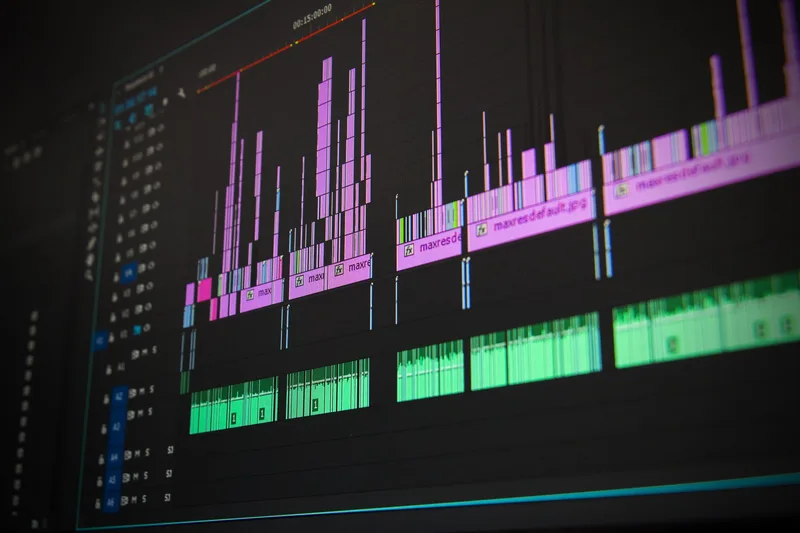
Editing: DaVinci Resolve (free) handles multi-track editing and text overlays. CapCut is faster for shorter myth-busting formats with built-in caption and template tools.
Research tools (non-negotiable for this niche):
- PubMed for peer-reviewed studies — the baseline source for any specific claim
- Examine.com for supplement and nutrition research summaries reviewed against primary literature, not influencer opinion
- National health authority sites (CDC, NHS, WHO) for prevention and treatment guidance — cite these directly rather than paraphrasing secondhand
- Google Scholar for tracing a viral claim back to its original study, which is frequently smaller or more qualified than the headline suggests
Total startup cost: under $150 for a microphone and stock footage subscription. Research time, not equipment, is what separates a credible health channel from a demonetized one.
The Policy Risk Most Guides Skip

Health is a stricter content category than almost any other faceless niche, and most niche guides don’t mention this at all.
YouTube’s medical misinformation policy prohibits content that contradicts local health authority guidance on prevention or treatment of specific conditions, including promoting unapproved substances or practices as cures. Google has documented named categories under this policy, including claims that contradict recommended treatments for serious illness and promotion of unproven or harmful substances as prevention or cures. Violating this policy risks video removal, not just demonetization.
Advertiser-friendly guidelines are separate from Community Guidelines and control whether a compliant video still earns ad revenue. Google’s advertiser-friendly content guidelines flag content presenting graphic medical procedures or injury without documentary or educational context as limited or no-ads-eligible, even when the underlying claim is accurate.
The practical rule for this niche: attribute every specific health claim to a named study or health authority, use qualifying language (“research suggests,” “according to [authority]”) instead of definitive medical statements, and never frame content as a substitute for professional medical advice. Channels that skip this step don’t just risk one flagged video — a pattern of policy strikes can affect the whole channel’s monetization status.
Common Mistakes in Faceless Health
- Making treatment claims instead of describing research. “This cures inflammation” is a policy violation. “Research published in [journal] found a link between X and reduced inflammation markers” is defensible content.
- Paraphrasing a claim instead of citing the source. If you can’t name the study, journal, or health authority behind a claim, don’t make the claim. Viewers and YouTube’s review systems both check this.
- Treating viral claims as fact. A large share of viral health content traces back to a small, preliminary, or misrepresented study. Read the actual paper before repeating the headline.
- Skipping the “not medical advice” framing. Every video that touches symptoms, treatment, or diagnosis should state plainly that it’s general information, not personalized medical guidance.
- Chasing trending health scares for views. Alarmist framing (“this common food is secretly killing you”) drives short-term clicks but attracts policy scrutiny and erodes the credibility this niche depends on long-term.
- Underinvesting in narration clarity. Health explainers lose viewers fast if the pacing is confusing or the terminology isn’t defined. Script for a listener with no background in the topic.
Faceless health channel at a glance
| Dimension | Verdict |
|---|---|
| Niche | Faceless health and wellness content — body-signal explainers, myth-busting, sleep and nutrition science over stock footage, diagrams, and narration |
| Exemplar channels | Bright Side (body-signal and wellness explainers), Psych2Go (mental and physical wellbeing, animated) |
| Format | Body-signal explainers (5–10 min), myth-busting (6–12 min), sleep/nutrition science (8–15 min) |
| Production difficulty | Medium. Visuals are widely available; the real cost is research time and source verification |
| Repeatability | High. Body systems, nutrition science, and sleep research generate a steady stream of searchable topics |
| First video angle | One well-sourced body-signal explainer. Example: “Why your hands shake and when it actually matters” |
| Monetization path | $6–$22 AdSense RPM depending on sub-topic. Supplement, sleep-app, and telehealth sponsorships once the audience is established |
| Risk | YouTube medical misinformation policy and advertiser-friendly guideline violations are the defining risk of this niche — higher than almost any other faceless category |
| Recommended next step | Compare health against fitness and psychology — overlapping audiences, different policy exposure |
Still shortlisting niches? Grab the free 75 Faceless Niches Spreadsheet and compare health against fitness, psychology, and science side by side before you commit.
FAQ
Can you start a faceless health YouTube channel without medical credentials?
Yes, for general information content — body-signal explainers, research summaries, and myth-busting videos don’t require credentials. You do need to attribute every specific claim to a named study or health authority rather than presenting personal opinion as medical fact, and clearly frame the content as general information, not personalized medical advice.
How much do faceless health channels make on YouTube?
Health and wellness RPMs typically run $6 to $22 depending on sub-topic and audience geography, among the higher-earning faceless categories. A channel reaching 100,000 monthly views can expect roughly $1,000 to $2,000 from AdSense alone, before supplement or health-app sponsorship income.
What is YouTube’s medical misinformation policy and how does it affect health channels?
YouTube’s medical misinformation policy prohibits content that contradicts local health authority guidance on preventing or treating specific health conditions, including promoting unapproved substances as cures. Violations can result in video removal, not just lost ad revenue, making source attribution the single most important habit for a health channel to build early.
What content formats work best for a faceless health channel?
Body-signal explainers (“what your body is telling you”) and myth-busting videos (“does X actually work”) are the two highest-volume, lowest-friction formats to start with. Both rely on stock footage or diagrams plus narration, require no on-camera presence, and map directly to how people search for health information.
Is the health niche too risky for a new faceless creator?
It carries more content-policy risk than fitness, finance, or true crime, but it’s manageable with a consistent habit: cite a named study or health authority for every claim, use qualifying language instead of definitive medical statements, and avoid treatment claims entirely. Channels that build this habit from video one rarely run into policy problems.
Keep Reading
What to Do Next
You have a frontrunner. Pressure-test it before you commit.
Compare this niche against 9 others
The Niche Map ranks 10 high-paying faceless niches and gives the audience, monetization path, and first video idea for each. Use it as a final shortlist check before you commit.
Free. No spam. Unsubscribe anytime.
Browse Channels Explorer
50 real faceless channels with format, niche, and production notes. Free, no signup.
Open Channels ExplorerComplete Launch Pack
Vol 1 FULL plus Channel Setup Kit plus First Video Command Center. One bundle, no upsell pressure.
$9 $19 53% off Lowered for first-time creators.