In this article
Meditation is a voice and a soundscape, not a face.
Yellow Brick Cinema built one of the largest meditation channels on YouTube without ever showing a presenter. The Honest Guys have narrated guided sessions for over a decade behind a static logo. Jason Stephenson’s sleep meditations run for hours with nothing on screen but slow-moving visuals.
The format doesn’t tolerate a face. A camera-forward host would break the calm the content is supposed to create. Going faceless here isn’t a workaround. It’s the only format that works.
Here’s how to start, what to post, and what the money actually looks like.
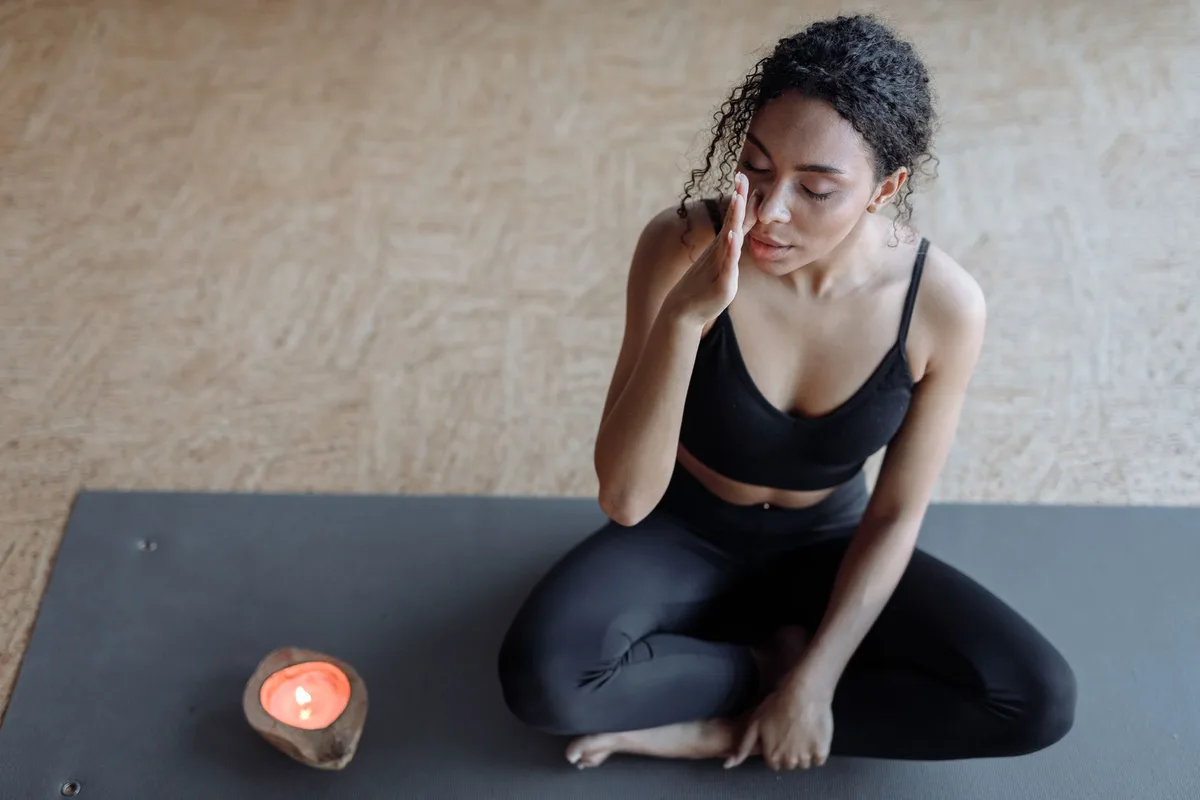
Why Does Meditation Work as a Faceless Niche?
A faceless meditation channel pairs voice narration or ambient soundscapes with slow, looping visuals to guide relaxation, sleep, or focus. No presenter, no camera. The absence of a face isn’t a limitation here. A visible host would pull attention away from the calm the content exists to create.
Viewers put on a meditation or sleep video and close their eyes within minutes. They’re not watching a personality. They’re listening to a voice or a soundscape while the screen fades into the background. That’s the opposite of most YouTube content, where the face and the energy are the draw.
This makes meditation one of the purest faceless niches available. You don’t need a personal brand. You need a calm voice (or no voice at all), clean audio, and visuals that loop without breaking the mood.
The niche also runs on repeat viewing. The same person who watched a sleep meditation last night comes back tonight, and the night after. A single well-made video can rack up views for years, because the use case (falling asleep, calming down, refocusing) never goes away.
What Should You Post on a Faceless Meditation Channel?
Meditation content splits into a handful of proven formats. Most channels specialize in one or two rather than trying to cover all of them.
Guided meditation:
- Narrated sessions for anxiety, stress, or focus (10 to 30 minutes)
- Themed guided meditations: morning routine, gratitude, letting go of a specific worry
- Body scan and progressive relaxation scripts
Sleep meditation and sleep stories:
- Long-form narrated sessions (45 minutes to 8+ hours) designed to play through the night
- Slow, low-pitched storytelling with minimal plot tension, built to fade into sleep
- Often the highest watch-time format in the niche, since viewers leave it running
Music-only soundscapes:
- Rain, ocean waves, forest ambience, white or brown noise
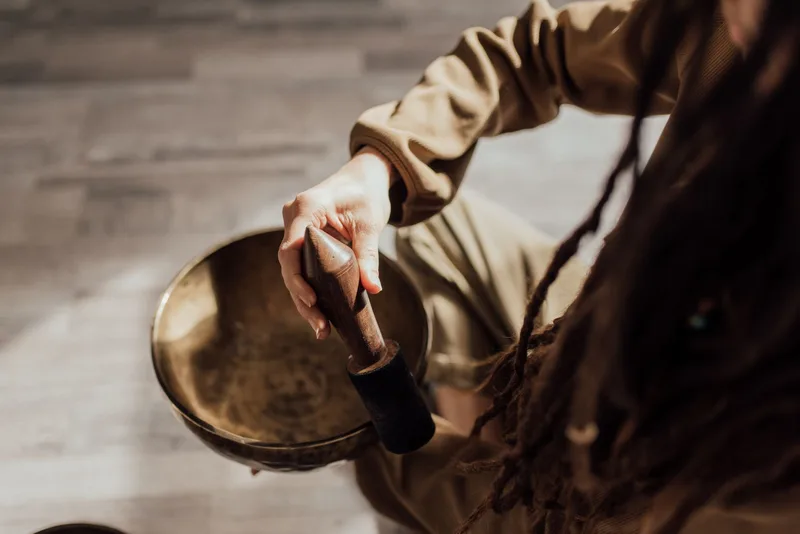
- Singing bowls, solfeggio frequencies, binaural beats
- No voice required, which makes this the lowest-effort entry point
Morning meditation and affirmations:
- Short guided sessions (5 to 15 minutes) framed around starting the day
- Affirmation loops that work well cut down into Shorts
NSDR and focus sessions:
- Non-sleep deep rest, popularized in mainstream wellness content, distinct from sleep meditation
- Study and work-focus sessions, often paired with ambient music instead of narration
Music-only soundscapes and short guided sessions are the easiest starting point. They avoid the biggest production risk in this niche: a narrator voice that doesn’t sound genuinely calm.
How Much Can a Faceless Meditation Channel Make?
Meditation and sleep content typically pulls a lower RPM than most faceless niches. Long, ambient videos often run few or no mid-roll ads, since interrupting a sleep video breaks the entire point of it, and much of the audience is background listening rather than actively engaged with ad content.
| Monthly Views | Estimated RPM | Estimated Monthly Revenue |
|---|---|---|
| 10,000 | $1–$3 | $10–$30 |
| 50,000 | $1–$3 | $50–$150 |
| 100,000 | $1–$4 | $100–$400 |
| 500,000 | $2–$4 | $1,000–$2,000 |
These are estimates based on publicly reported creator data, not a guarantee. Watch time runs unusually high in this niche (an 8-hour sleep video that gets watched for 3 hours is a strong retention signal), which helps discovery even when the per-view ad rate is modest.
Need to compare your shortlist before committing? Use the 75 Best Faceless Niches Spreadsheet to compare demand, competition, production difficulty, and monetization side by side. Free. Instant download.
Because ad RPM runs low, meditation channels lean harder on non-ad revenue:
- Wellness sponsorships: meditation apps, sleep product brands, and CBD or supplement companies (where legal and disclosed) sponsor established channels
- App and subscription upsells: many channels graduate a portion of their audience to a paid app or a premium tier on a platform like Insight Timer for ad-free, longer sessions
- Patreon and memberships: meditation audiences return nightly, which makes them unusually receptive to a small recurring membership for extended or ad-free content
- Licensing: wellness apps, spas, and corporate wellness programs license ambient or guided tracks for their own platforms
Real examples of faceless meditation channels:
- Yellow Brick Cinema built a large catalog of sleep music and meditation tracks, entirely faceless
- The Honest Guys have run narrated guided meditations for over a decade behind a static brand identity
- Jason Stephenson: Sleep Meditation Music combines slow narration with ambient scoring for multi-hour sleep sessions
- Meditative Mind focuses on singing bowls and sound healing, music-only with no narration at all
What Tools Do You Need to Start?
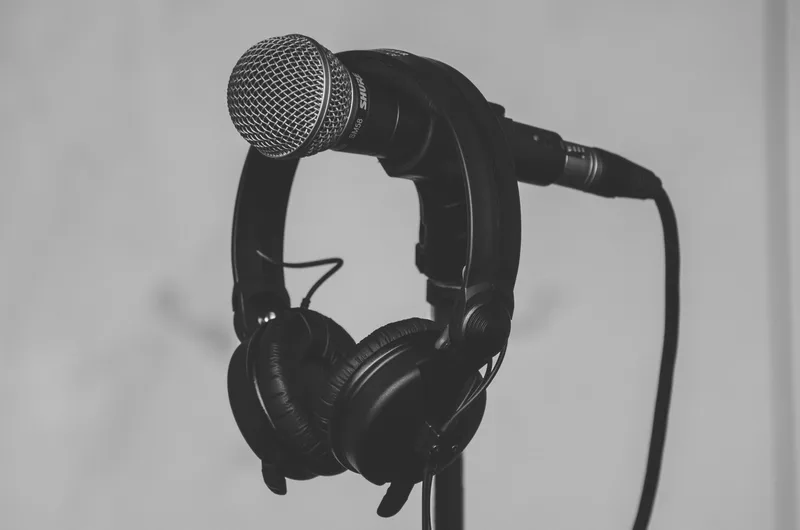
Meditation production is inexpensive, but voice quality and seamless looping matter more here than in almost any other faceless niche.
Voiceover: Your own voice, recorded slowly and deliberately with a $50 to $150 USB microphone, works better than AI narration for guided sessions. Meditation voice needs genuine warmth and pacing that current AI voices tend to flatten. If you’re not comfortable narrating, hiring a calm-voiced narrator through Fiverr or a voice-acting marketplace is a common workaround, and it keeps you fully faceless either way.
Visuals:
- Stock footage: Pexels and Pixabay cover slow nature loops (waves, forests, clouds) at no cost. Storyblocks and Artgrid offer higher-resolution seamless loops for paid tiers.
- Static or slow-motion visuals: many top channels use a single looping clip or a slow Ken Burns pan over a still image for an entire video. Simplicity is normal here, not a shortcut.
- Loop editing: the visual and audio loop point must be invisible. A visible seam or an audible pop where a track restarts breaks viewer trust immediately.
Music and soundscapes: Epidemic Sound and Artlist both carry dedicated ambient and meditation libraries cleared for commercial YouTube use. Verify the license explicitly covers monetized use before publishing, since not every “royalty-free” pack does.
Editing: DaVinci Resolve (free) handles the long export times and audio crossfading that multi-hour sleep videos require. CapCut works fine for shorter guided sessions and Shorts.
Research: NCCIH, the National Institutes of Health’s center for complementary and integrative health, publishes plain-language summaries of what meditation research actually supports. Useful for grounding scripts without overstating benefits.
Total startup cost: under $150 for a music-only or narrated channel using free stock and a basic mic.
Which Meditation Sub-Niches Have Room for Beginners?
General “sleep meditation” and “guided meditation” are dominated by large, long-running channels. But the niche is broad enough to specialize:
- NSDR and yoga nidra (a wellness term that’s grown fast in mainstream coverage). Fewer large incumbents than classic sleep meditation, and search demand is still climbing.
- Anxiety-specific and panic-focused sessions, narrower than general “relaxation” content, with viewers actively searching for the specific problem rather than browsing.
- Solfeggio frequencies and sound healing: music-only, no voice required, and the audience overlaps heavily with the spiritual and self-improvement corner of YouTube.
- Focus and study sessions: ambient tracks aimed at concentration rather than sleep. This audience often finds you through study-with-me and productivity searches. See faceless productivity channels for the adjacent content angle.
- Meditation for specific life stages (postpartum, night-shift workers, students during exam periods). Specificity here beats a generic “meditation for everyone” pitch.
A new channel should pick one lane and build a library inside it rather than mixing sleep, focus, and anxiety content under one generic brand.
How Do You Start a Faceless Meditation Channel This Week?
- Pick one format: guided narration, sleep stories, or music-only soundscapes. Don’t try to cover all three at launch.
- If narrating, record a 60-second test clip and listen back at low volume in a dark room. If your voice doesn’t sound calming under those conditions, consider a music-only format or a hired narrator instead.
- Source 2 to 3 slow, seamless-loop visual clips before scripting anything. Confirm the loop point doesn’t jump or flash.
- Build your first track: a 15 to 20 minute guided session or a 1-hour ambient loop, whichever matches your chosen format.
- Export and check the audio loop for pops or silence gaps at the seam. This single detail determines whether viewers trust the rest of your catalog.
- Publish with a title that matches an exact search phrase: “guided meditation for anxiety before bed” outperforms a vague title like “peaceful meditation.”
Your first few videos establish whether your loop quality and pacing hold up. Once they do, this niche rewards a growing back catalog more than most, since older sleep and relaxation videos keep earning views for years.
What Are the Most Common Mistakes in Faceless Meditation?
- Making medical or therapeutic claims. “This will cure your insomnia” or “this treats anxiety” is both inaccurate and a policy risk. Use language like “may help you relax” or “designed to support winding down,” and point to NCCIH-style resources rather than making the claim yourself.
- Audible loop seams. A pop, a volume jump, or a visible jump-cut where a track restarts is the fastest way to lose a sleep audience mid-video. Test every loop at full length before publishing.
- A narrator voice that’s rushed or too energetic. Pacing that works for a motivation channel will feel jarring here. Slow down further than feels natural in the recording booth.
- Licensing gaps on “royalty-free” music. Many free music packs exclude monetized commercial use in their fine print. Confirm the specific license before building a video around a track.
- Skipping short-form entirely. A 30-second affirmation or breathing exercise clipped from a longer session performs well as a Short and is a real discovery channel for this niche, not just a bonus.
- Publishing too few videos to build a library. This niche rewards catalog depth. A channel with 5 videos looks thin next to one with 80, and search discovery compounds with volume.
Faceless meditation channels at a glance
| Dimension | Verdict |
|---|---|
| Niche | Faceless meditation and sleep content, voice narration or ambient soundscapes over slow, looping visuals |
| Exemplar channels | Yellow Brick Cinema, The Honest Guys, Jason Stephenson: Sleep Meditation Music, Meditative Mind |
| Format | Guided meditation (10-30 min), sleep stories (45 min to 8+ hours), music-only soundscapes, morning affirmations, NSDR sessions |
| Production difficulty | Low to medium. Seamless audio and visual looping is the real skill; everything else is inexpensive |
| Repeatability | Very high. The same viewer returns nightly, and older sleep and relaxation videos keep earning views for years |
| First video angle | One 15 to 20 minute guided session targeting a specific problem. Example: “guided meditation for anxiety before bed” |
| Monetization path | $1–$4 AdSense RPM, lower than most faceless niches. Wellness sponsorships, app or Patreon upsells, and licensing often outpace ad revenue |
| Risk | Medical-claim liability, licensing gaps on ambient music, and audible loop seams that break viewer trust instantly |
| Recommended next step | Compare meditation against motivation and other niches on CPM and production difficulty before committing |
Not sure which niche fits your situation? The 75 Best Faceless Niches Spreadsheet ranks 75+ niches by CPM, competition density, and production difficulty. Filter to what fits your voice, budget, and time.
Free. Instant download.
Already committed to meditation? The Channel Launch Pack ($9) covers the production system, hook library, and 30-day publishing schedule for 10 cloneable channels, including narrated and music-only formats.
Keep Reading
- Top Faceless YouTube Niches: how meditation stacks up against motivation, science, and 70+ other niches
- Faceless Motivation Channel: a close cousin in production style, with a higher CPM ceiling
- Faceless Productivity Channel: the adjacent focus and study-session audience
FAQ
How do you start a faceless meditation YouTube channel? Pick one format (guided narration, sleep stories, or music-only soundscapes), source 2 to 3 seamless-loop visuals, and record or license a track built around a specific search phrase like “guided meditation for anxiety.” A music-only soundscape is the fastest format to launch since it needs no narrator voice at all.
How much do faceless meditation channels make? Faceless meditation channels typically earn a $1 to $4 RPM, roughly $1,000 to $2,000 per month at 500,000 monthly views from ads alone. These are estimates based on publicly reported creator data. Wellness sponsorships, app upsells, and Patreon memberships often add more than ad revenue does.
Do you need your own voice to run a meditation channel? No. Music-only soundscapes (rain, singing bowls, binaural beats) need zero narration. If you do want guided sessions but don’t want to record yourself, hiring a calm-voiced narrator through a freelance marketplace keeps the channel fully faceless.
What is the easiest meditation content format for beginners? Music-only ambient soundscapes are the lowest-effort entry point. They avoid the two hardest parts of the niche (finding a genuinely calming narrator voice and scripting guided sessions) while still requiring the same attention to seamless audio looping that every format in this niche depends on.
What to Do Next
You have a frontrunner. Pressure-test it before you commit.
Compare this niche against 9 others
The Niche Map ranks 10 high-paying faceless niches and gives the audience, monetization path, and first video idea for each. Use it as a final shortlist check before you commit.
Free. No spam. Unsubscribe anytime.
Browse Channels Explorer
50 real faceless channels with format, niche, and production notes. Free, no signup.
Open Channels ExplorerComplete Launch Pack
Vol 1 FULL plus Channel Setup Kit plus First Video Command Center. One bundle, no upsell pressure.
$9 $19 53% off Lowered for first-time creators.